Want to know more about the XR project?
Let’s chat!
HTC Creative Labs User Researcher:
XR Research & Design Impact
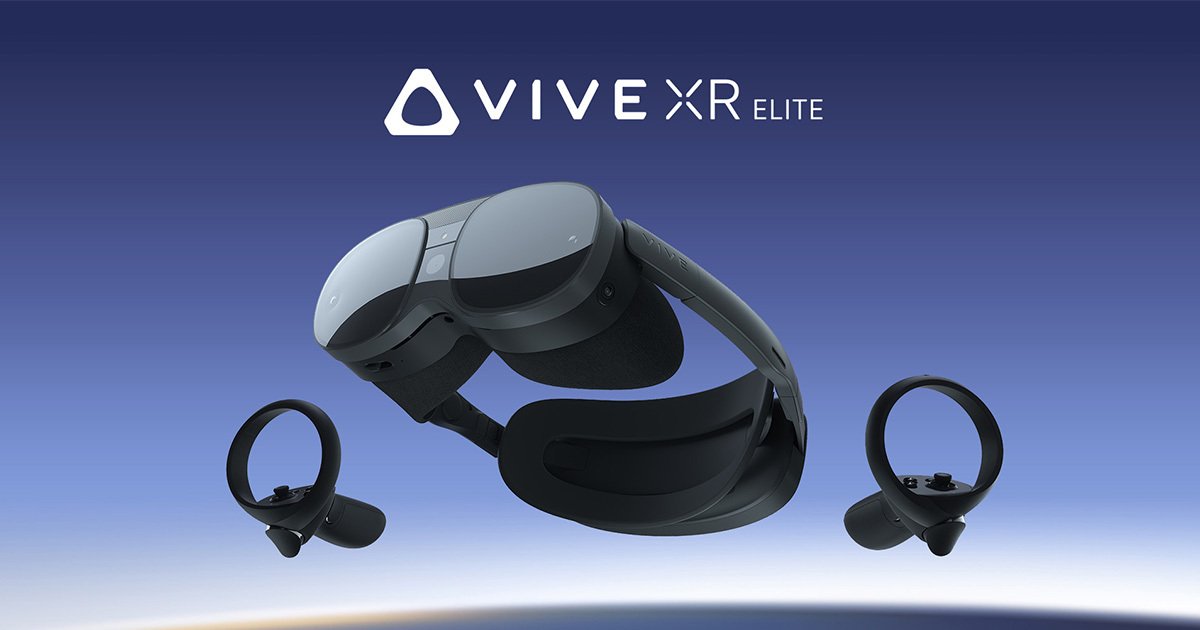
During my time at HTC Creative Labs, I worked across multiple XR-related initiatives spanning post-launch headset research, interaction design evaluation, creator tools exploration, and accessibility-focused technology research.
Rather than focusing on a single feature, my work centered on understanding how people actually use XR devices and platforms in real-world contexts, and translating those insights into actionable product opportunities across software, UX, and hardware teams.
Role
User Researcher
Overview
Duration
Jul 2023 - Jun 2025
Methods
Survey Design / User Interview / Research Analysis / Usability Testing / Case Study
At a Glance
6+
XR research projects across VR headsets, metaverse platforms, and AI wearables
1000+
users engaged through surveys, interviews, and usability testing
4+
usability testing studies evaluating multimodal XR interactions
7+
competitive studies benchmarking XR platforms, creator tools, and AI devices
15+
internal events & workshops supporting knowledge sharing and cross-team alignment
Accomplishments
• Translated fragmented post-launch feedback from VIVE XR Elite users into prioritized opportunity areas, shifting team discussions from isolated user complaints to evidence-based insights grounded in real-world XR usage contexts.
• Reframed XR usability, comfort, and accessibility issues—such as interaction reliability, headset fit, and multimodal input breakdowns—as system-level experience risks rather than isolated UX bugs, influencing cross-functional product decisions.
• Led multimodal interaction usability testing to uncover how users actually behaved in XR environments, including gesture, controller, and spatial interaction breakdowns that were not visible through telemetry alone.
• Informed the evolution of 3D world creation tools by identifying friction points in creation workflows, helping product teams distinguish between short-term UX refinements and longer-term platform or tooling investments.
• Elevated accessibility considerations in XR and AI smart glasses from edge cases to core experience discussions, shaping how teams evaluated everyday usability, interaction consistency, and inclusivity across devices.
• Accelerated the research process by integrating AI-assisted analysis and synthesis workflows, improving speed and consistency while maintaining rigor in qualitative XR user research.
Learnings & Takeaways
Creating and maintaining systems at scale
Approached the design system as a living product rather than a static library. Learned how to define core elements, build customizable components, distribute shared libraries, and support adoption by assisting and onboarding team members.
Balancing speed and quality
Worked in a fast-paced environment where deadlines required rapid progress, while still maintaining attention to critical details. Learned to make informed trade-offs between speed and polish without compromising system integrity.
Navigating ambiguity
Moved projects forward without having complete or perfect answers upfront. Explored multiple directions, tested assumptions quickly, and iterated through uncertainty to arrive at practical solutions.
Feedback-driven iteration
Continuously collaborated with designers, engineers, and stakeholders to gather feedback on constraints, requirements, and limitations, using that input to refine and evolve system components over time.
Process
Research at HTC was approached with the same rigor as a product.
Rather than treating studies as one-off efforts, I followed a structured yet flexible research process that supported continuous learning, iteration, and decision making across projects.
Due to NDA restrictions, I’m unable to share detailed workflows or internal artifacts. However, a high-level overview of the research process I consistently applied is outlined below.
Problem Framing
Method Selection
Synthesis & Opportunity Framing
Communication & Alignment
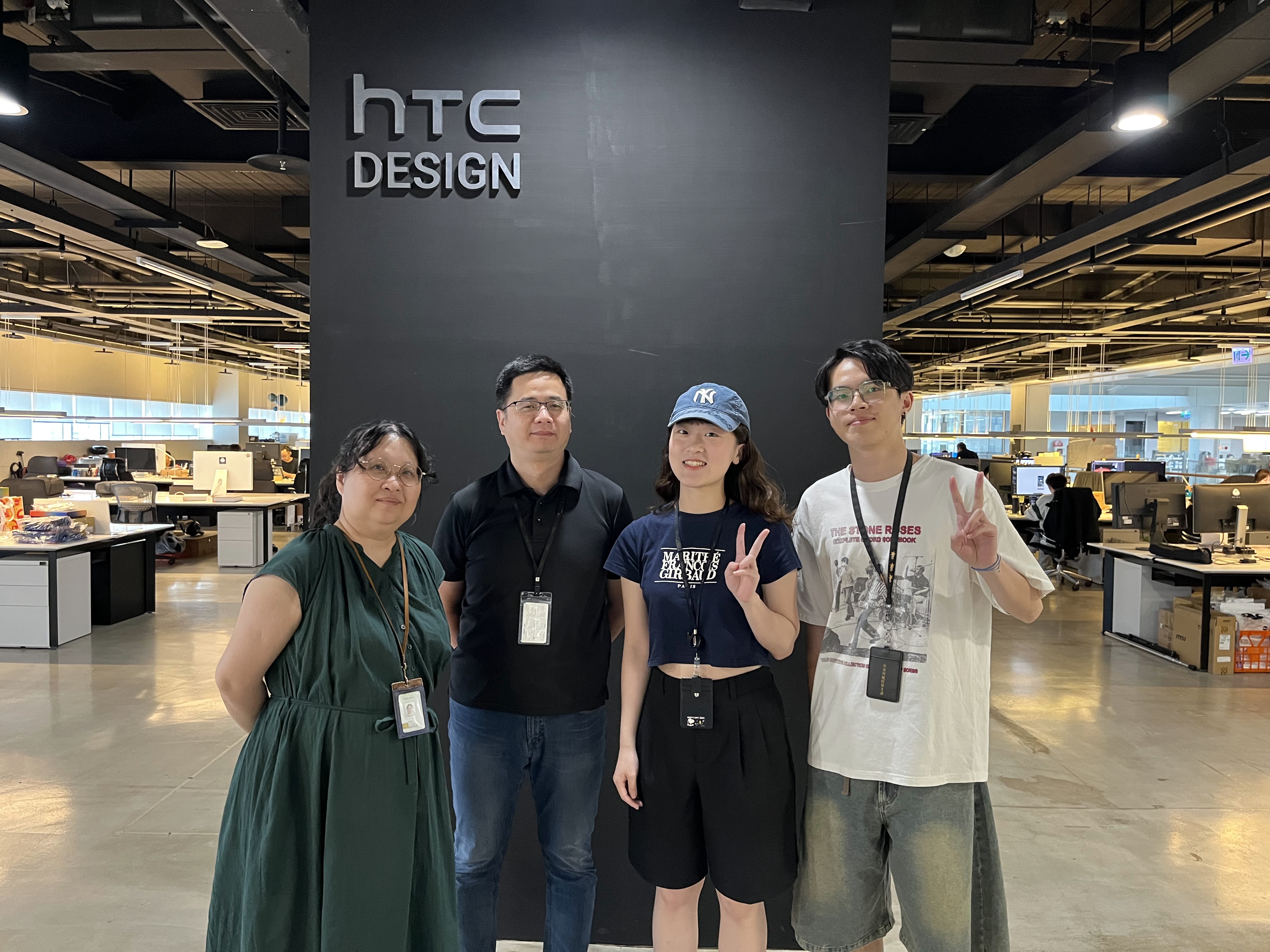
Special thanks to my amazing teammates, Christina, Henry, Janet, and Candice!
Thank you for visiting my portfolio! :)
Copyright © 2026 Tim Tang